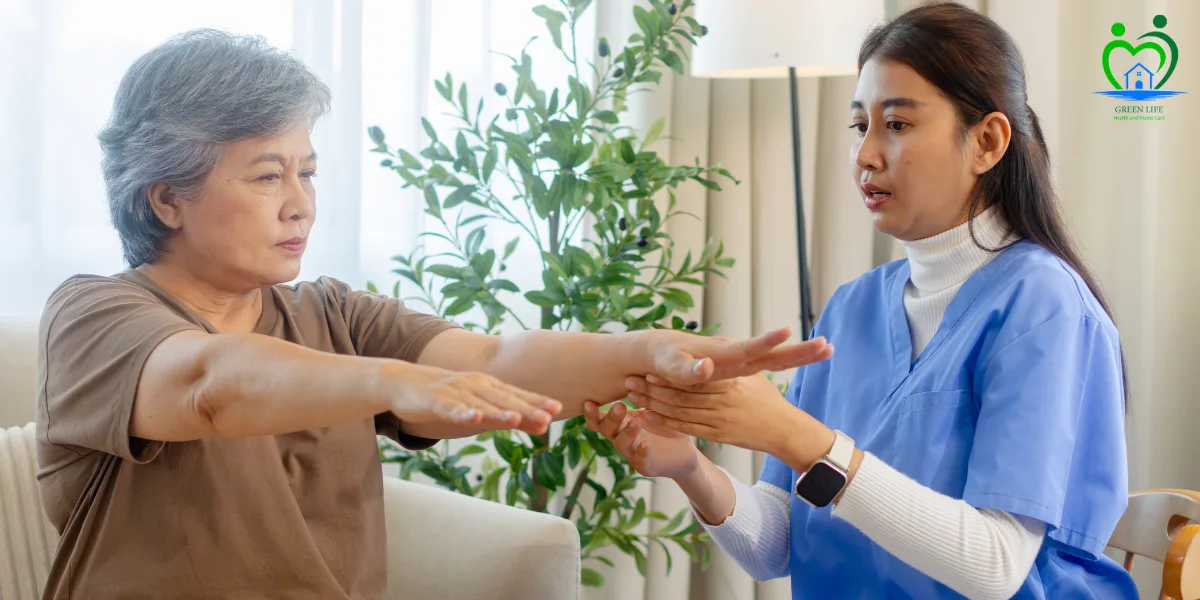
Population aging is one of the most significant demographic transitions of the 21st century. As life expectancy increases, maintaining functional independence, cognitive vitality, and overall well-being in older adulthood becomes a public health priority. Scientific evidence consistently demonstrates that regular physical activity is one of the most powerful non-pharmacological interventions to promote healthy aging.
At Green Life Health & Home Care, we recognize that structured and individualized physical activity programs play a critical role in preserving mobility, preventing frailty, and enhancing quality of life among seniors.
The Physiology of Aging and the Role of Exercise:
Aging is associated with predictable physiological changes, including:
• Sarcopenia (age-related muscle loss)
• Decreased bone mineral density
• Reduced cardiovascular reserve
• Impaired balance and proprioception
• Slower neuromuscular response time
• Reduced metabolic flexibility

Without intervention, these changes increase the risk of falls, fractures, cardiovascular disease, insulin resistance, and functional decline.
Regular physical activity directly counteracts many of these processes through:
• Increased muscle protein synthesis
• Improved mitochondrial function
• Enhanced neuroplasticity
• Better endothelial function
• Reduced systemic inflammation
Exercise is not simply movement — it is a biologically active therapy.
Evidence-Based Benefits of Physical Activity in Seniors
Musculoskeletal Health:
Resistance training significantly reduces sarcopenia and improves strength, even in adults over 80 years of age. Studies show that older adults can gain measurable muscle mass and functional power within 8–12 weeks of supervised strength training.
Benefits include:
• Reduced fall risk
• Improved gait stability
• Better independence in activities of daily living (ADLs)
• Reduced joint pain in osteoarthritis
Cardiovascular Protection:
Moderate aerobic activity (such as brisk walking, cycling, or aquatic exercise) improves:
• Blood pressure regulation
• Lipid profile
• Endothelial function
• Cardiorespiratory fitness
Regular activity lowers the risk of coronary artery disease, stroke, and heart failure progression.
Cognitive Health and Neuroprotection
Emerging neuroscience research demonstrates that exercise increases:
• Brain-derived neurotrophic factor (BDNF)
• Hippocampal volume
• Executive function performance
Physical activity is associated with reduced risk of dementia and slower progression of mild cognitive impairment. Even in individuals living with Alzheimer’s disease, structured movement improves mood and engagement.

Mental Health and Emotional Well-being
Exercise reduces symptoms of:
• Depression
• Anxiety
• Social isolation
Group-based or supervised physical activity also enhances social connectedness — a critical determinant of healthy aging.
Metabolic and Endocrine Effects
Regular physical activity improves:
• Insulin sensitivity
• Weight regulation
• Inflammatory markers
• Hormonal balance
It is strongly recommended in the prevention and management of type 2 diabetes and metabolic syndrome in older adults.
Types of Recommended Exercise for Older Adults:
According to international geriatric and rehabilitation guidelines, a comprehensive program should include:
Aerobic Exercise
• 150 minutes per week of moderate-intensity activity
• Examples: walking, stationary cycling, aquatic exercise
Resistance Training
• 2–3 sessions per week
• Focus on major muscle groups
• Progressive intensity
Balance Training
• Tai Chi
• Single-leg stance exercises
• Structured fall-prevention programs
Flexibility and Mobility Work
• Gentle stretching
• Range-of-motion exercises

Special Considerations in Frailty and Chronic Disease
Older adults with conditions such as:
• Dementia
• Parkinson’s disease
• Post-stroke disability
• Osteoporosis
• Cardiovascular disease
require individualized assessment and supervised exercise plans.
Fall Prevention and Functional Independence
Falls are a leading cause of morbidity in seniors. Evidence-based fall prevention programs include:
• Strength and balance training
• Home safety assessment
• Assistive device optimization
• Medication review
A structured physical activity plan reduces fall risk by up to 30–40% in community-dwelling older adults.
Barriers to Physical Activity in Seniors
Common barriers include:
• Fear of falling
• Chronic pain
• Lack of motivation
• Transportation limitations
• Social isolation
Home-based programs and supervised care models significantly improve adherence and safety.
The Role of Green Life Health & Home Care in Promoting Physical Activity
Home care providers play a vital role in:
• Encouraging daily movement
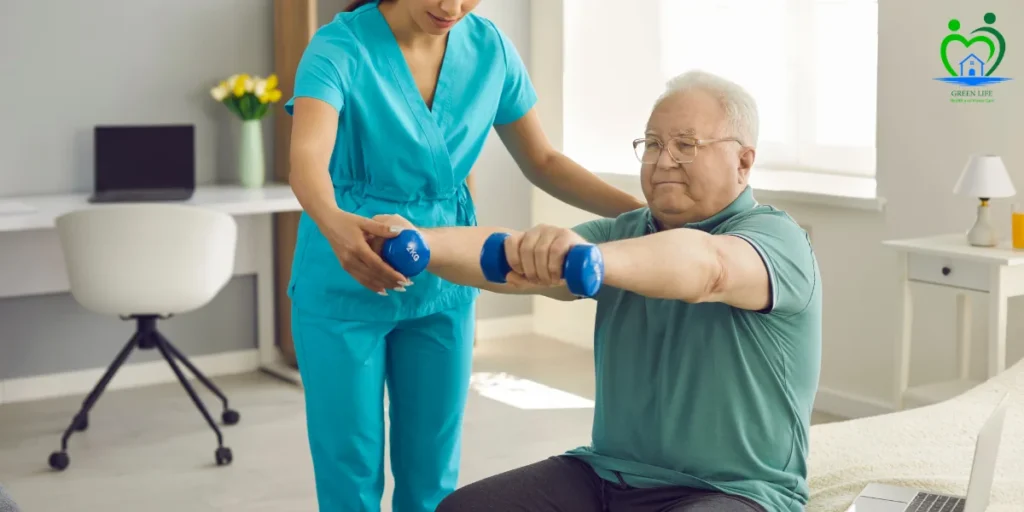
• Assisting with guided exercise routines
• Monitoring vital signs and tolerance
• Preventing deconditioning
• Promoting confidence and autonomy
Green Life Health & Home Care integrates physical activity into routine care plans, tailoring programs to individual capacity and medical condition.
Conclusion
Physical activity is not optional in healthy aging — it is foundational. Decades of research confirm that regular, structured exercise enhances longevity, functional independence, cognitive health, and emotional well-being in older adults.
With appropriate supervision and individualized planning, seniors of all ages and functional levels can safely benefit from movement.
At Green Life Health & Home Care, we are committed to empowering older adults in Toronto and the Greater Toronto Area to remain active, independent, and engaged through evidence-based, compassionate care.
Home care professionals play a vital role in translating clinical recommendations into safe and effective daily movement. At Green Life Health & Home Care, our trained PSWs, nurses, and rehabilitation assistants can support clients in several ways:
• Assisting clients with prescribed exercise programs provided by their physician or physiotherapist, ensuring correct technique, safety, and adherence.
• Implementing individualized exercise routines tailored to the client’s functional level, medical condition, and goals.
• Encouraging participation in structured group exercise sessions organized by Green Life, promoting both physical activity and social engagement.
Throughout all stages of care, our team works collaboratively with clients, families, and healthcare providers to ensure exercises are performed safely, consistently, and with meaningful engagement. Our approach emphasizes motivation, encouragement, and building confidence, allowing seniors to remain active while feeling supported and respected.