
Introduction
As life expectancy continues to increase worldwide, the proportion of older adults requiring surgical interventions has grown significantly. Aging is associated with progressive physiological changes, chronic medical conditions, and functional decline, all of which influence surgical decision-making and outcomes. Common surgical procedures in older adults are often performed to improve quality of life, restore mobility, preserve independence, or address life-threatening conditions. Understanding the most frequent surgeries in this population, along with their risks and postoperative care needs, is essential for healthcare providers, caregivers, and families.
Physiological Changes of Aging Relevant to Surgery
Normal aging affects almost every organ system. Cardiovascular reserve decreases, lung elasticity is reduced, renal clearance slows, and immune responses become less efficient. Older adults often have multiple chronic conditions such as hypertension, diabetes, coronary artery disease, or cognitive impairment. These factors increase perioperative risk and prolong recovery time. Therefore, surgical planning in older patients must balance potential benefits with functional status, life expectancy, and patient goals rather than age alone.
Cataract Surgery
Cataract surgery is the most common surgical procedure performed in older adults. Cataracts result from age-related clouding of the eye’s natural lens, leading to blurred vision, glare, and reduced independence. The procedure involves removing the cloudy lens and replacing it with an artificial intraocular lens.
Cataract surgery is usually performed on an outpatient basis under local anesthesia and has a very high success rate. Complications are uncommon but may include infection, increased intraocular pressure, or retinal detachment. Postoperative care focuses on using prescribed eye drops, avoiding eye strain, and monitoring for signs of infection. Improved vision after surgery often reduces fall risk and enhances quality of life.

Joint Replacement Surgery (Hip and Knee)
Degenerative joint disease, particularly osteoarthritis, is a leading cause of pain and disability in older adults. When conservative treatments fail, hip or knee replacement surgery may be recommended. These procedures aim to relieve pain, restore mobility, and improve daily functioning.
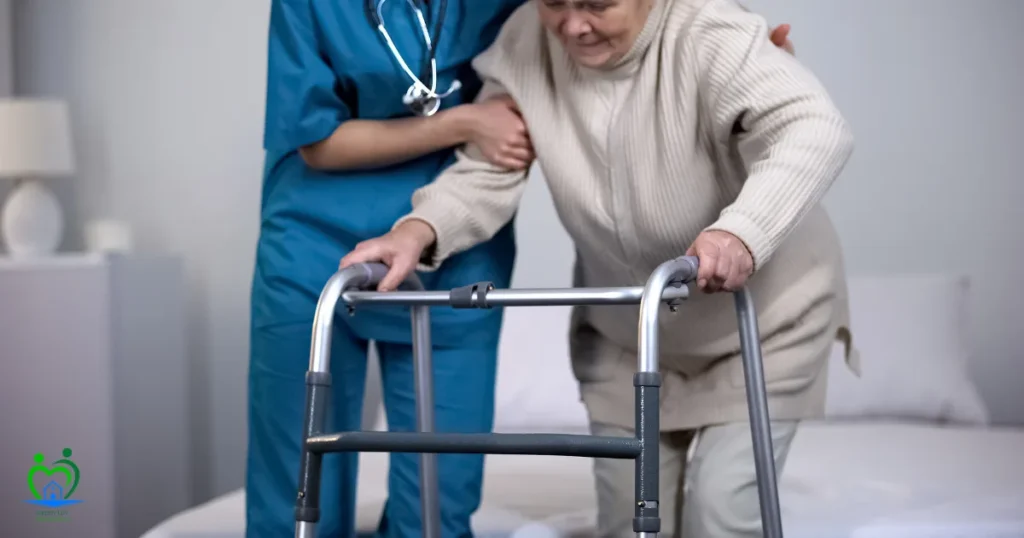
Joint replacement surgery is major surgery and requires careful preoperative evaluation. Risks include infection, blood clots, dislocation, and delayed healing. Recovery often involves inpatient rehabilitation or home-based physiotherapy. Successful outcomes depend heavily on postoperative mobility training, pain management, fall prevention, and adherence to rehabilitation programs. Many older adults regain significant independence following these surgeries.
Prostate Surgery
Benign prostatic hyperplasia (BPH) is common in aging men and can cause urinary frequency, urgency, weak stream, and urinary retention. When medications are ineffective, surgical intervention such as transurethral resection of the prostate (TURP) may be indicated.
Prostate surgery generally improves urinary symptoms, but it carries risks such as bleeding, infection, urinary incontinence, and sexual dysfunction. Postoperative care includes monitoring urinary output, preventing infection, and managing temporary catheter use. Patient education and follow-up are essential to ensure optimal recovery.
Abdominal Surgeries
Older adults frequently undergo abdominal surgeries, including gallbladder removal, hernia repair, and bowel surgery. Gallstones, hernias, and colorectal cancer are more prevalent with age. Minimally invasive techniques, such as laparoscopic surgery, have reduced recovery times and complication rates in suitable patients.
However, abdominal surgery in older adults still carries increased risk due to reduced physiological reserve. Postoperative complications may include ileus, infection, dehydration, and nutritional deficiencies. Early mobilization, adequate pain control, and careful monitoring of bowel function are key components of recovery.
Cardiovascular Procedures
Heart disease remains a leading cause of morbidity and mortality in older adults. Common cardiac procedures include coronary artery bypass grafting, valve replacement, and pacemaker implantation. These interventions can be life-saving or significantly improve functional capacity.
Cardiac surgery in older patients requires thorough risk assessment, as complications such as stroke, kidney injury, and postoperative delirium are more common. Rehabilitation, medication adherence, and lifestyle modification play critical roles in long-term outcomes.
Anesthesia Considerations in Older Adults
Anesthesia poses unique challenges in the elderly. Age-related changes in drug metabolism increase sensitivity to anesthetic agents. Older adults are at higher risk of postoperative confusion, delirium, and cognitive decline, particularly after general anesthesia.
Whenever possible, regional or local anesthesia may be preferred. An individualized anesthesia plan, careful medication management, and early mobilization can reduce complications and improve recovery.
Postoperative Complications in the Elderly
Older adults are more vulnerable to postoperative complications than younger patients. Common issues include infections, delayed wound healing, falls, functional decline, and delirium. Even minor complications can lead to prolonged hospitalization or loss of independence.
Preventive strategies include early ambulation, adequate hydration and nutrition, pain control, and minimizing unnecessary medications. Recognizing early signs of complications is crucial for timely intervention.
Rehabilitation and Recovery
Recovery from surgery in older adults often extends beyond physical healing. Functional recovery—such as the ability to walk, dress, bathe, and perform daily activities—is equally important. Rehabilitation programs should be tailored to the individual’s baseline function, cognitive status, and social support.
Physical therapy, occupational therapy, and structured exercise programs can significantly improve outcomes. Emotional support and encouragement also play a vital role in recovery.
Role of Home Care and Caregivers
Home care services and family caregivers are essential in supporting older adults after surgery. Assistance with medication management, wound care, mobility, and daily activities reduces the risk of complications and hospital readmission. Caregivers also provide emotional support and help monitor for warning signs such as infection or confusion.
A coordinated approach between healthcare providers, home care teams, and families ensures safer recovery and better long-term outcomes.

Ethical Considerations and Decision-Making
Surgical decision-making in older adults must respect patient autonomy and quality of life. Some patients may prioritize independence and comfort over aggressive treatment. Shared decision-making, involving patients, families, and healthcare providers, is essential to align surgical interventions with patient values and goals.
Conclusion:
Surgery in older adults is increasingly common and can significantly improve quality of life when carefully planned and supported. Understanding age-related physiological changes, common surgical procedures, and the importance of postoperative care is critical for achieving positive outcomes. With appropriate assessment, individualized care, and strong postoperative support, many older adults can recover successfully and maintain independence after surgery.